An important part of our colorectal surgery training program extends beyond the fellowship itself. Through partnerships with academic institutions in the United States, fellows have opportunities for mentorship, international observerships, professional networking, and research collaboration. These experiences are tailored to each fellow’s interests and career goals and have grown considerably over the past several years.
In 2024, Dr. Kwabena Agbedinu, the first graduate of our Ghana Colorectal Surgery Fellowship, completed an observership at the University of Utah. He was also selected as a recipient of an American Society of Colon and Rectal Surgeons (ASCRS) International Travel Scholarship, which supported his participation in the ASCRS Annual Scientific Meeting.
In 2025, Dr. Philemon Kumassah, completed an observership at the University of Arkansas for Medical Sciences. His experience similarly combined clinical observation, mentorship, and exposure to a major professional meeting.
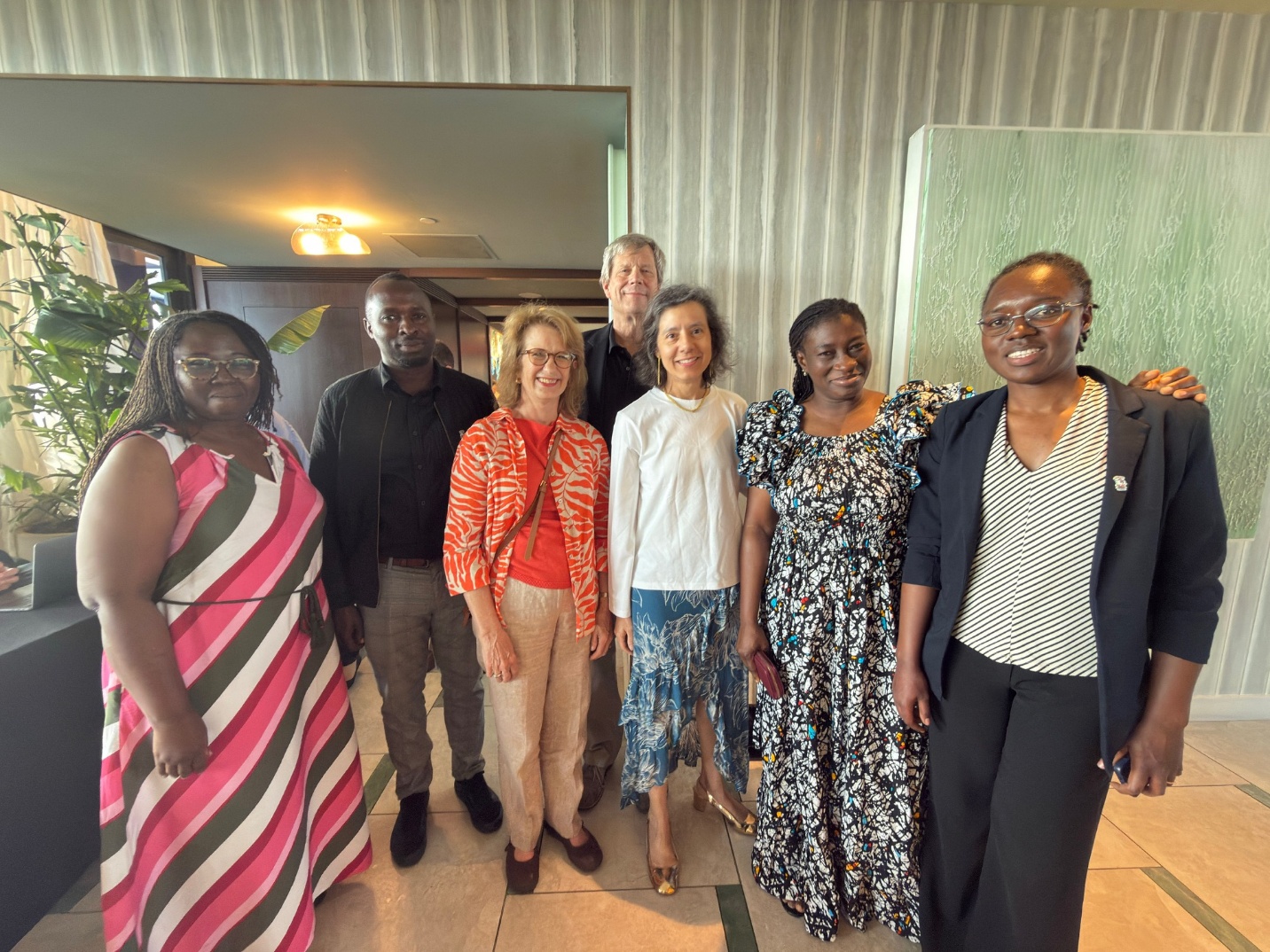
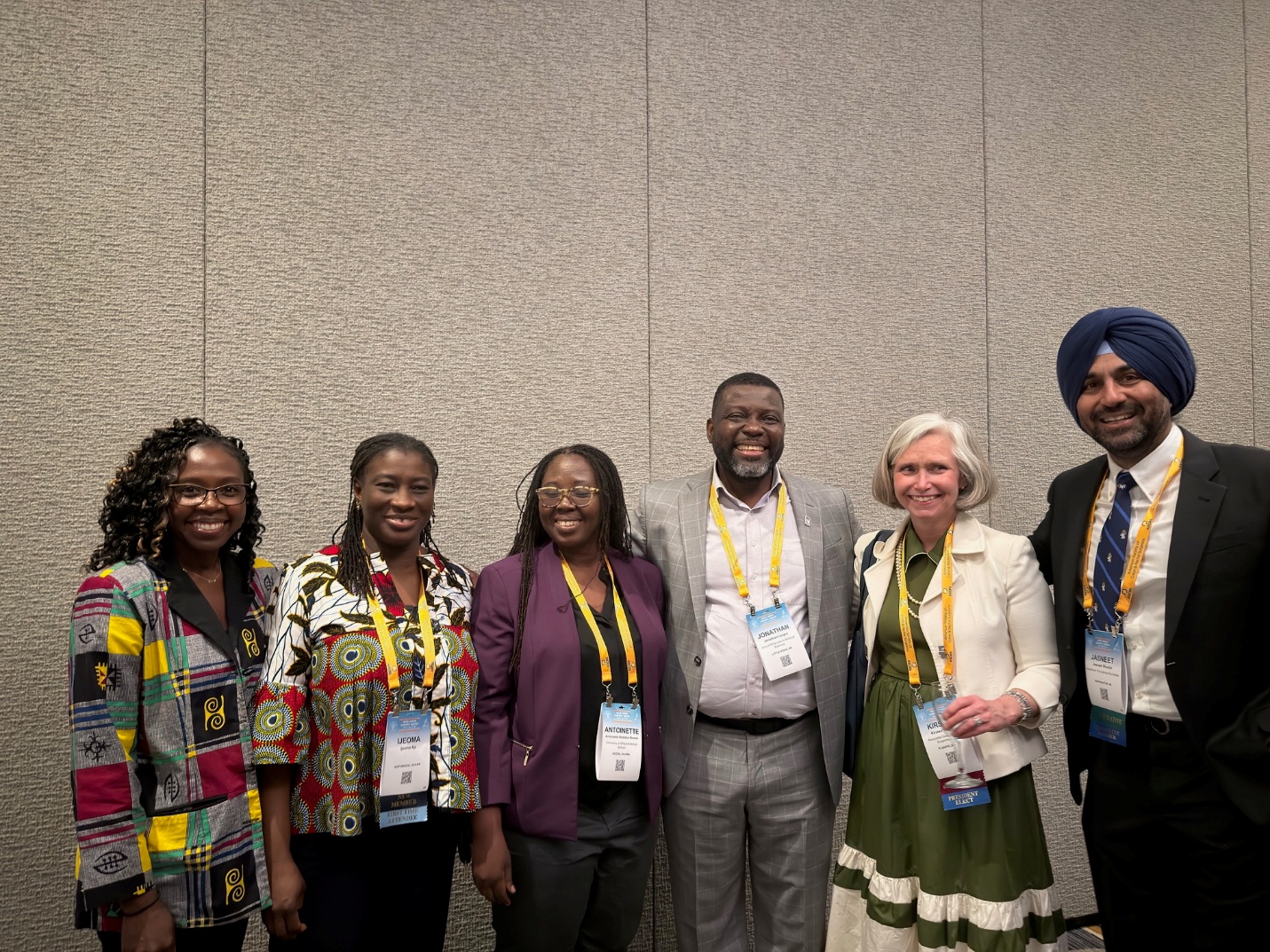
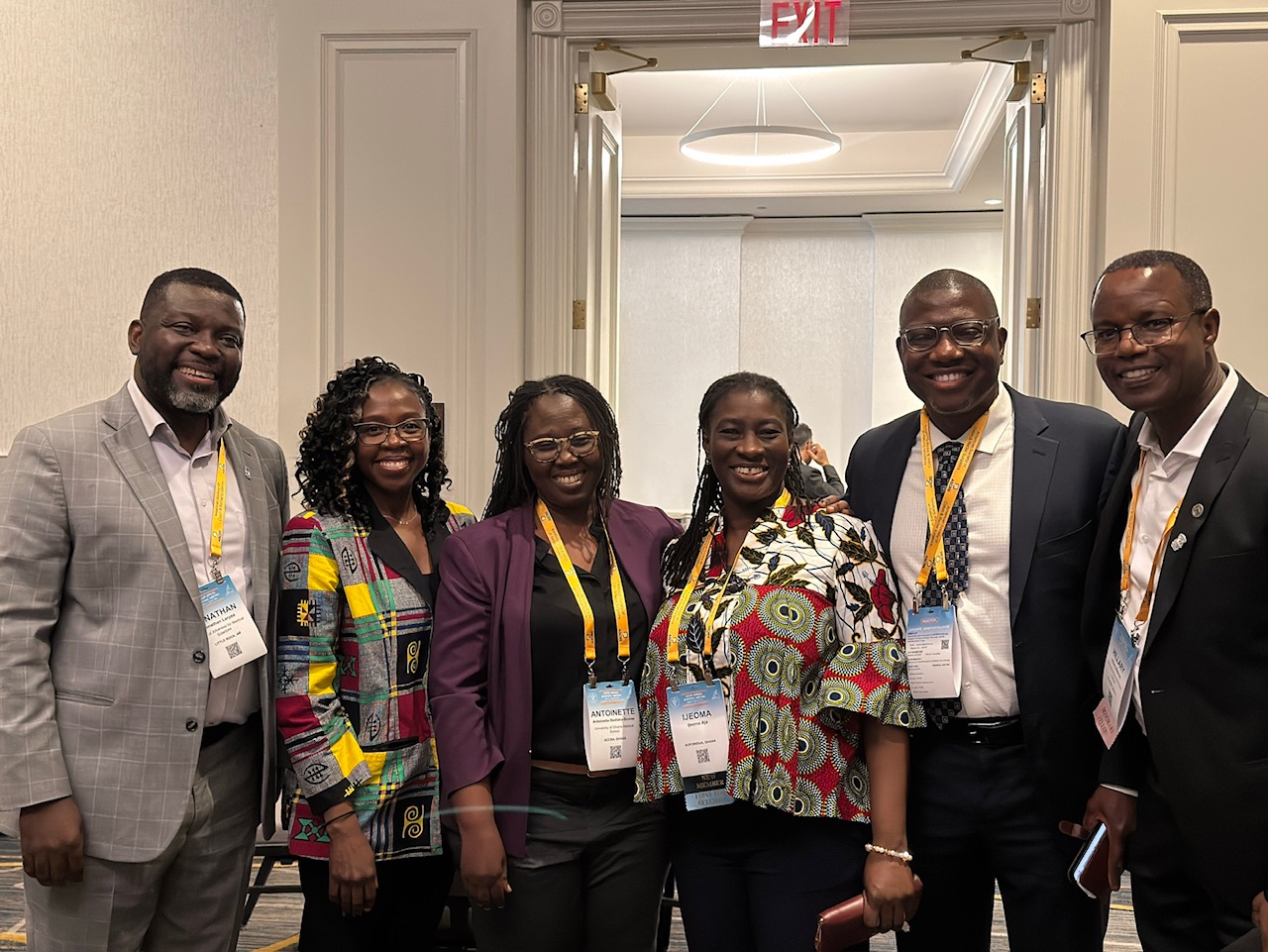
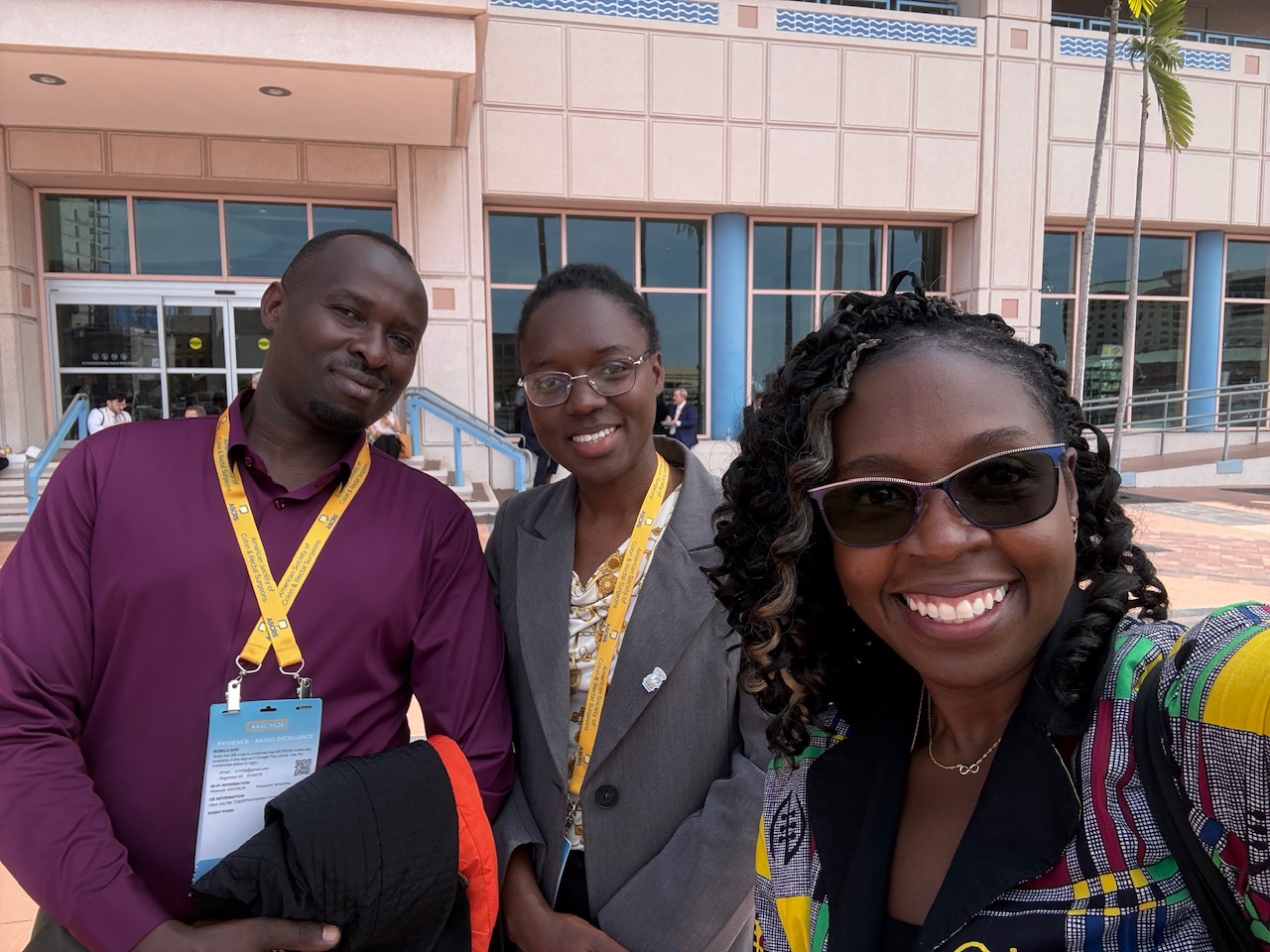
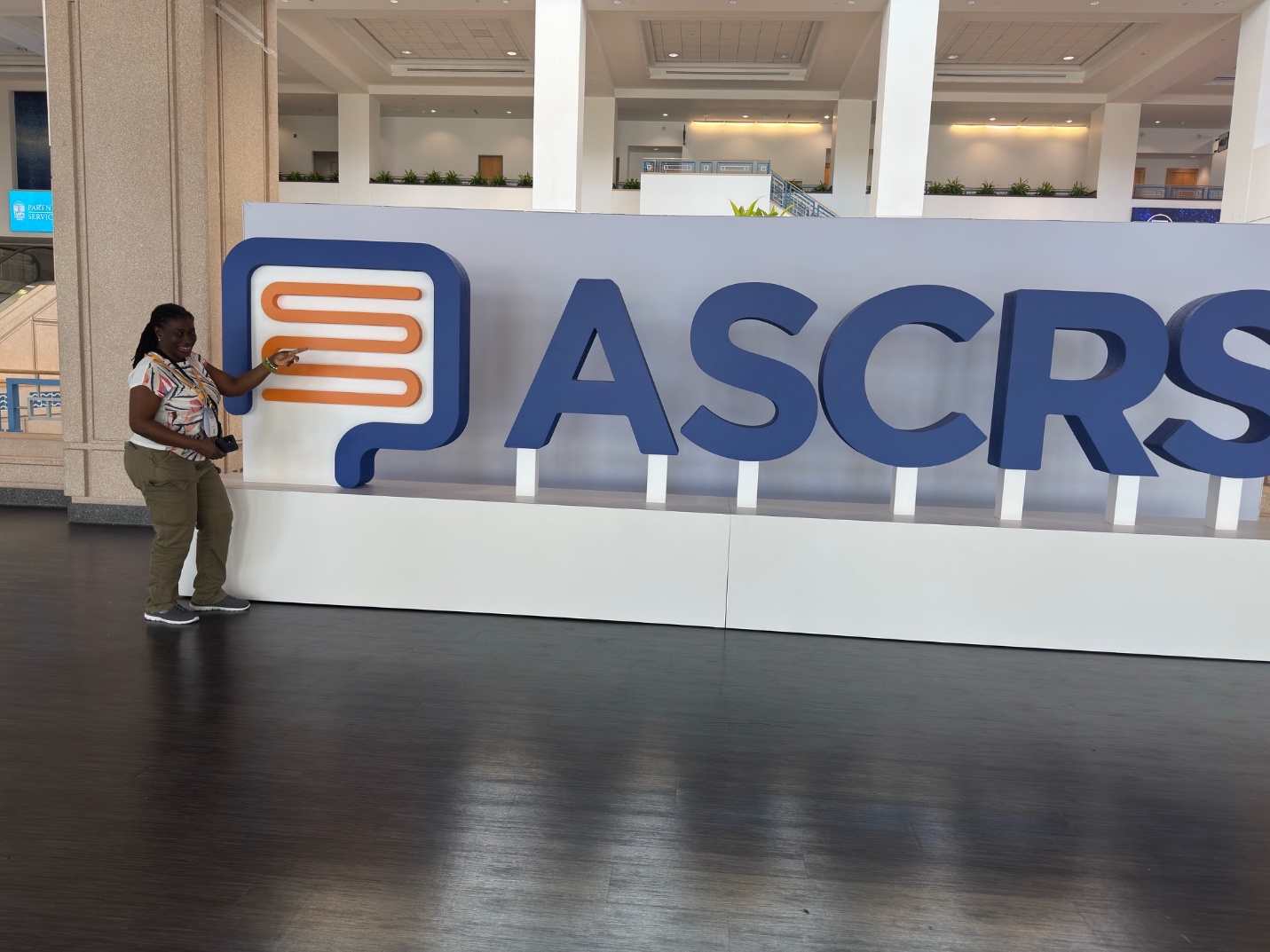
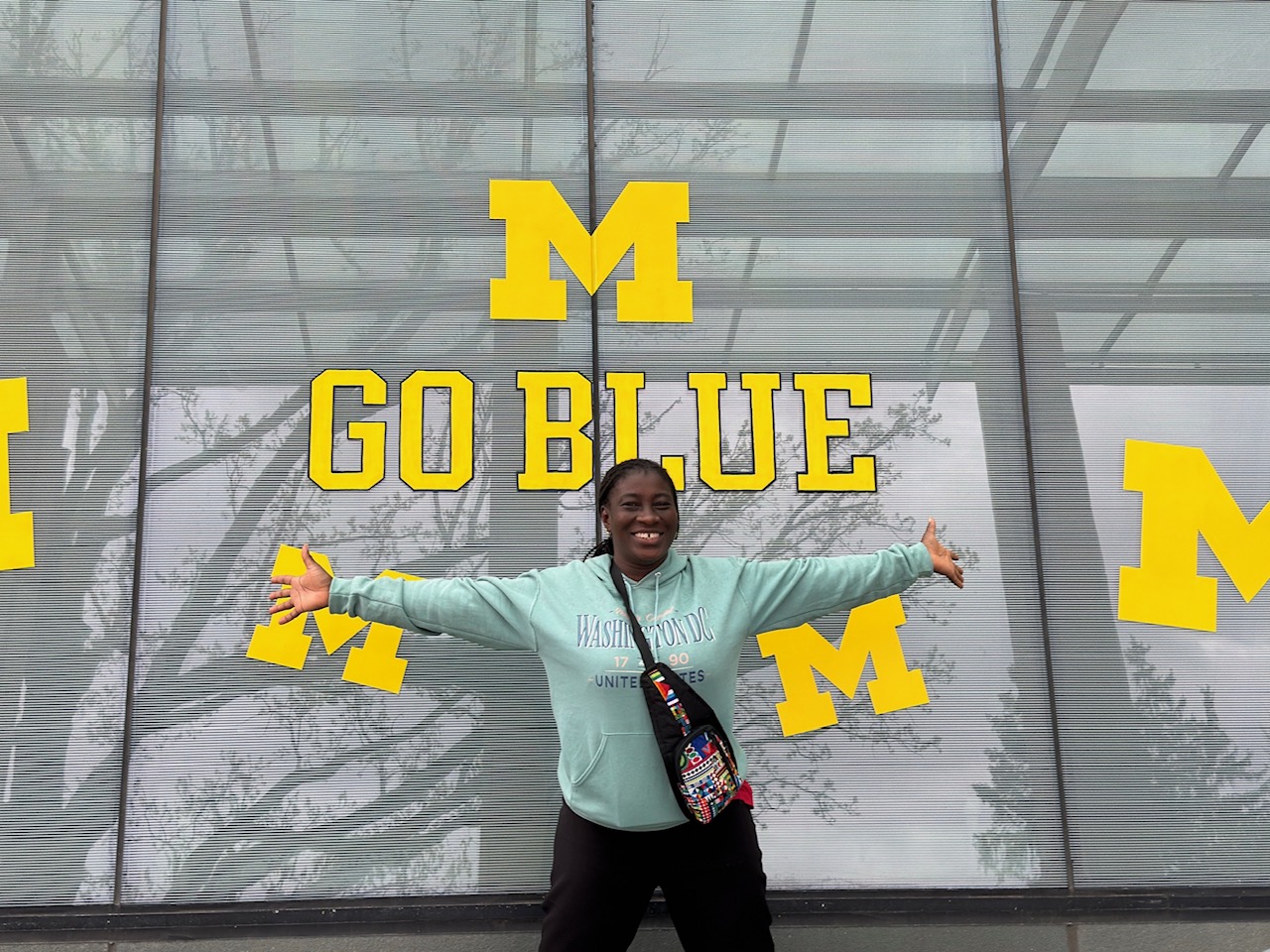
In 2026, we were delighted to expand the program further, hosting three fellows from our growing colorectal surgery partnerships in Ghana and Rwanda. Dr. Ijeoma Aja, our second Ghana fellowship graduate, completed an observership at the University of Michigan; Dr. Nathalie Umugwaneza from Rwanda was hosted by the University of Minnesota; and Dr. Christian Urimubabo from Rwanda spent time at the University of Arkansas. The three fellows then came together at the ASCRS Annual Scientific Meeting, providing an opportunity not only to learn but also to build relationships with colorectal surgeons and trainees from around the world. Dr. Aja was also selected for an ASCRS International Travel Scholarship.
The observerships are deliberately individualized. Depending on a fellow’s interests, their experience may include time in colorectal clinics, operating rooms, endoscopy, pelvic floor programs, radiology, pathology, multidisciplinary tumor boards, and educational conferences. Fellows may review imaging with radiologists, examine pathology with pathologists, observe operative and endoscopic techniques, participate in case discussions, and see how multidisciplinary teams approach complex colorectal disease.
Just as important is the opportunity for mentorship and connection. Fellows interact with faculty, residents, medical students, and other trainees, forming relationships that continue well beyond their time in the United States. These connections have led to ongoing mentorship, research support, and opportunities for collaborative projects across institutions and countries.
And the learning goes both ways. We intentionally create opportunities for visiting fellows to teach and share their own experiences with U.S. faculty and trainees. They bring expertise developed while caring for patients in very different healthcare environments, often with different disease presentations, resources, and approaches to care. Their perspectives enrich discussions in our clinics, operating rooms, conferences, and classrooms.
What began with a single fellow visiting a single institution has grown into a network of partnerships across Ghana, Rwanda, and multiple U.S. academic centers. Our goal is not simply to provide a short-term international experience, but to build lasting professional relationships—a global community of colorectal surgeons who learn from one another, mentor one another, collaborate on research and education, and remain connected throughout their careers.
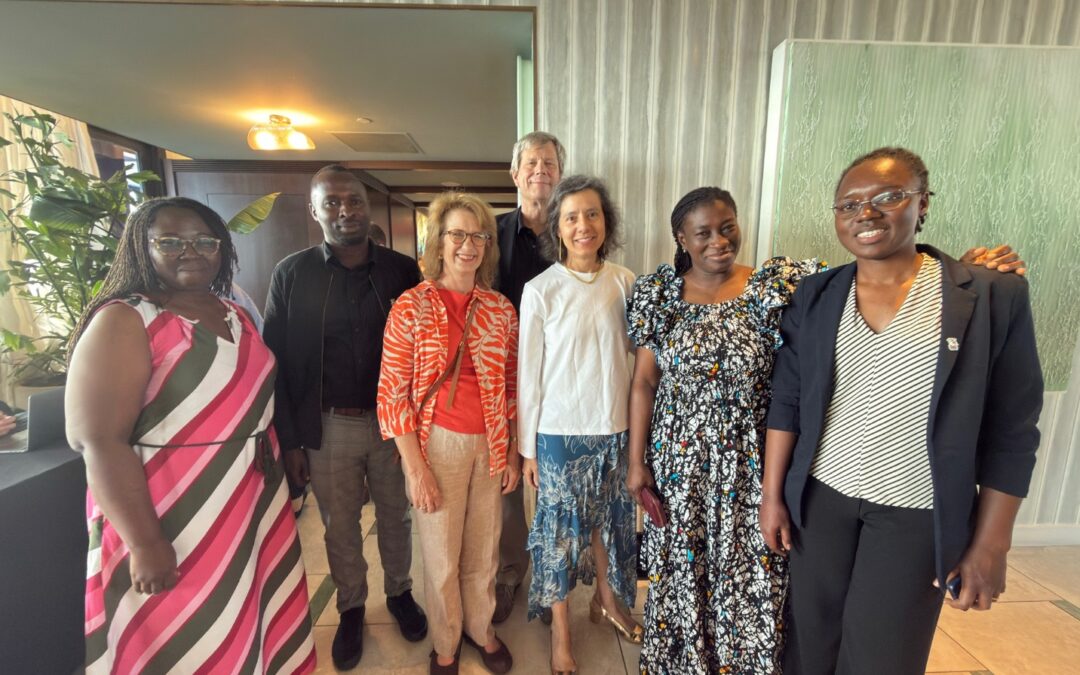
(Above: Fellows with GCSEI Faculty Prof Lowry, and then President of ASCRS at ASCRS 2026 meeting)
(Above—with Incoming president of ASCRS (2nd from right) and Chair of the International Committee (1st from right)
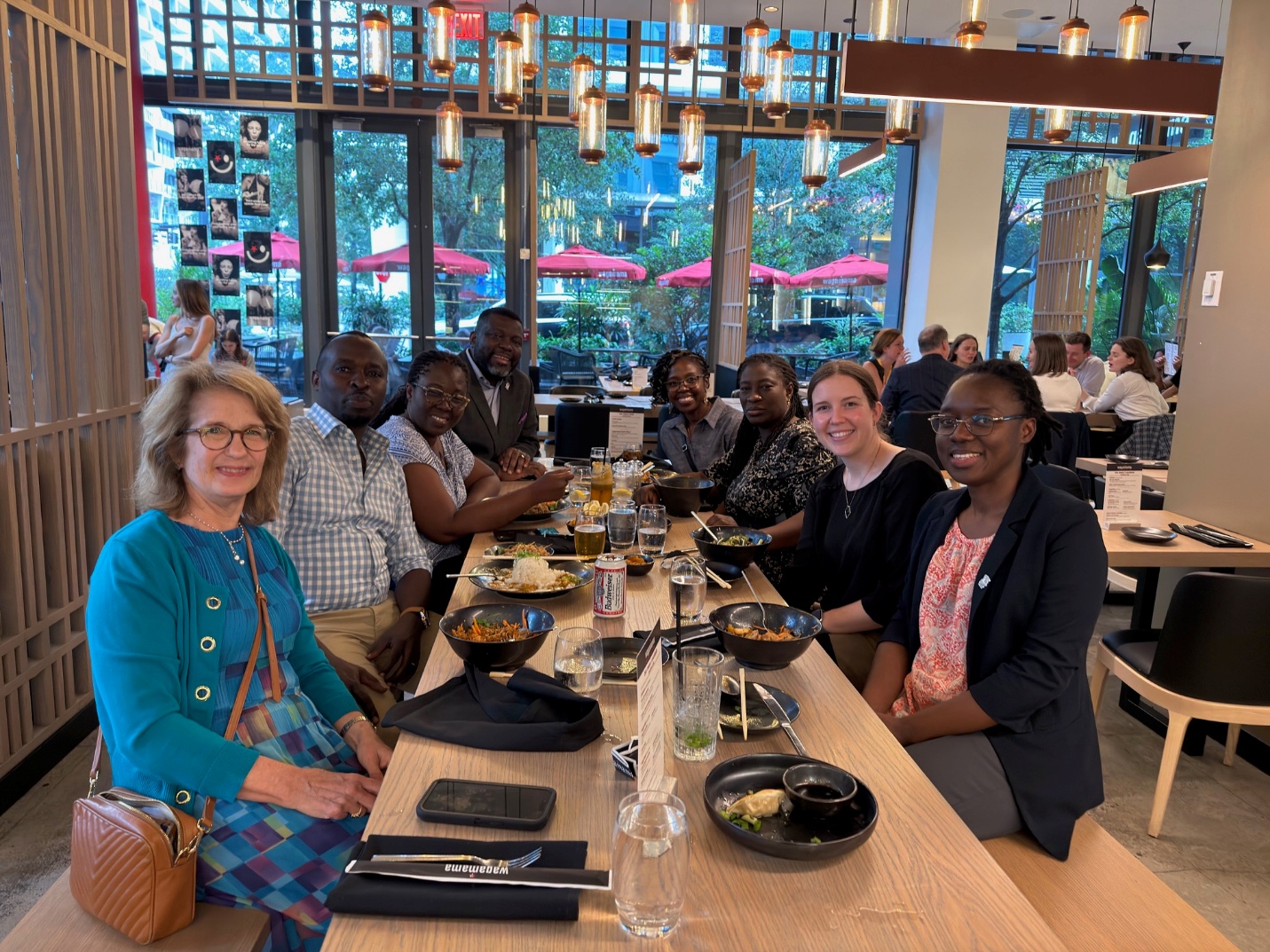
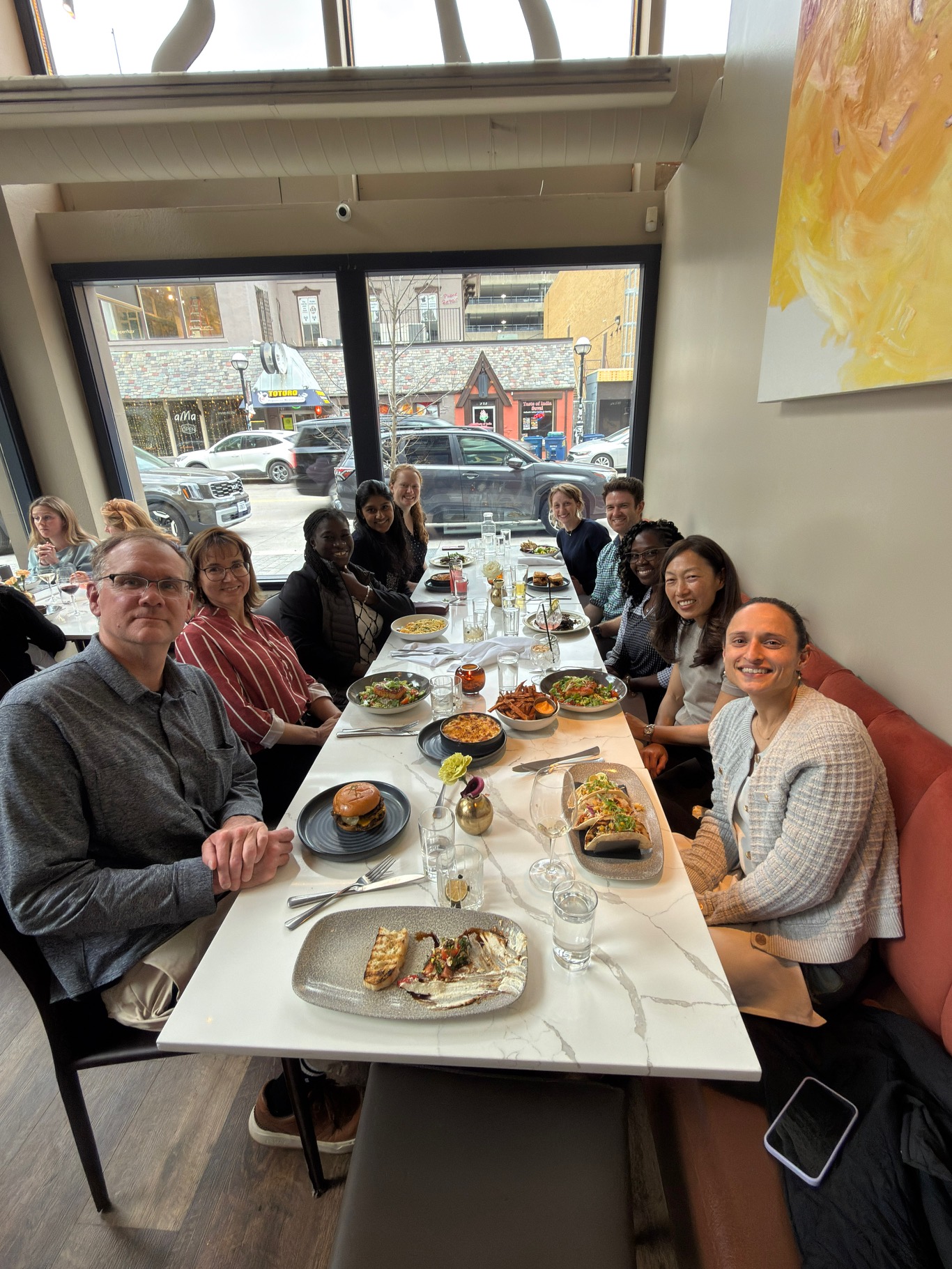
(Above: dinner hosted for Dr Aja by UoM CRS Division including invited
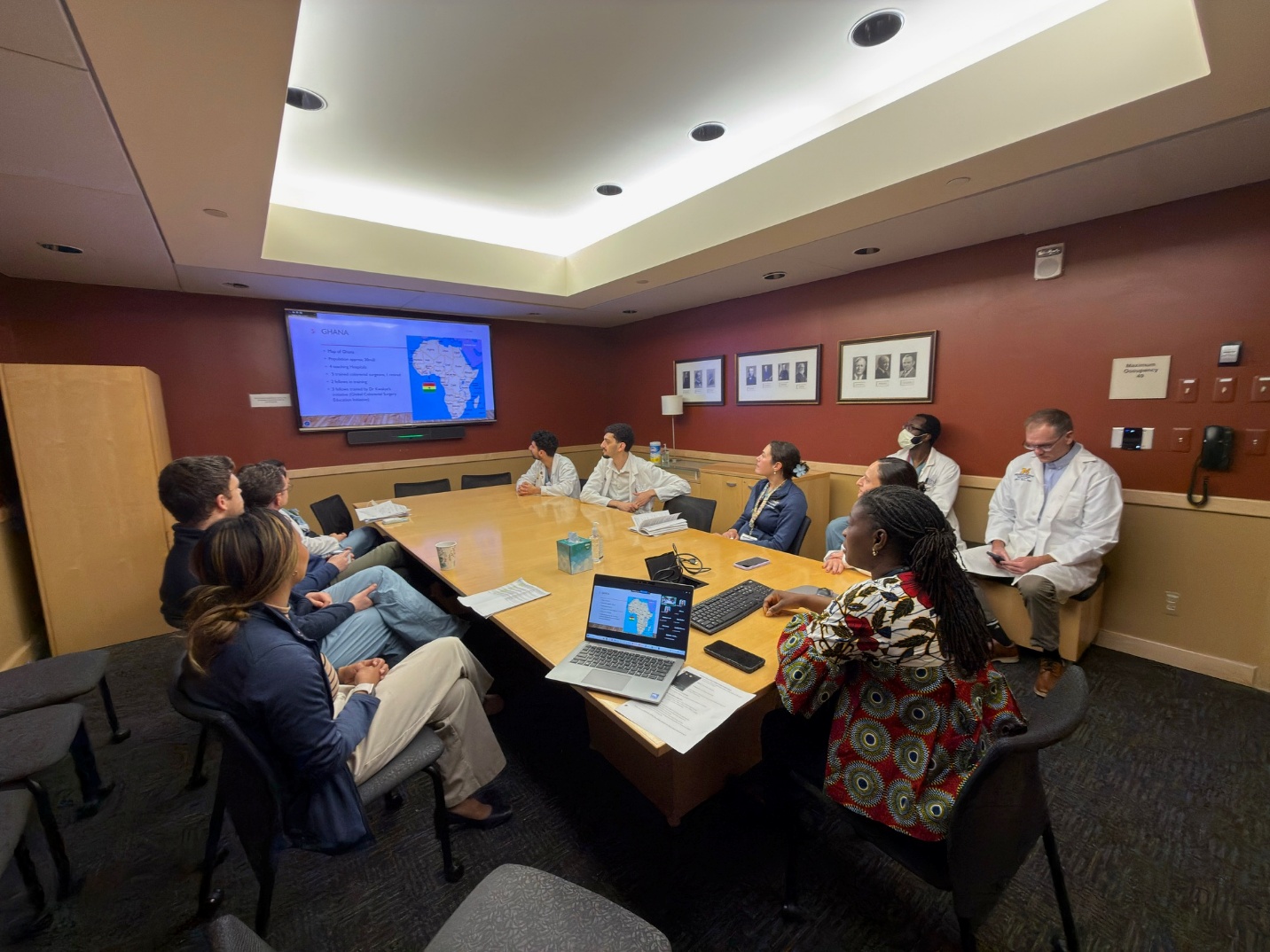
(Above: Dr Aja presenting at UoM CRS am teaching conference for rotating residents and medical students)
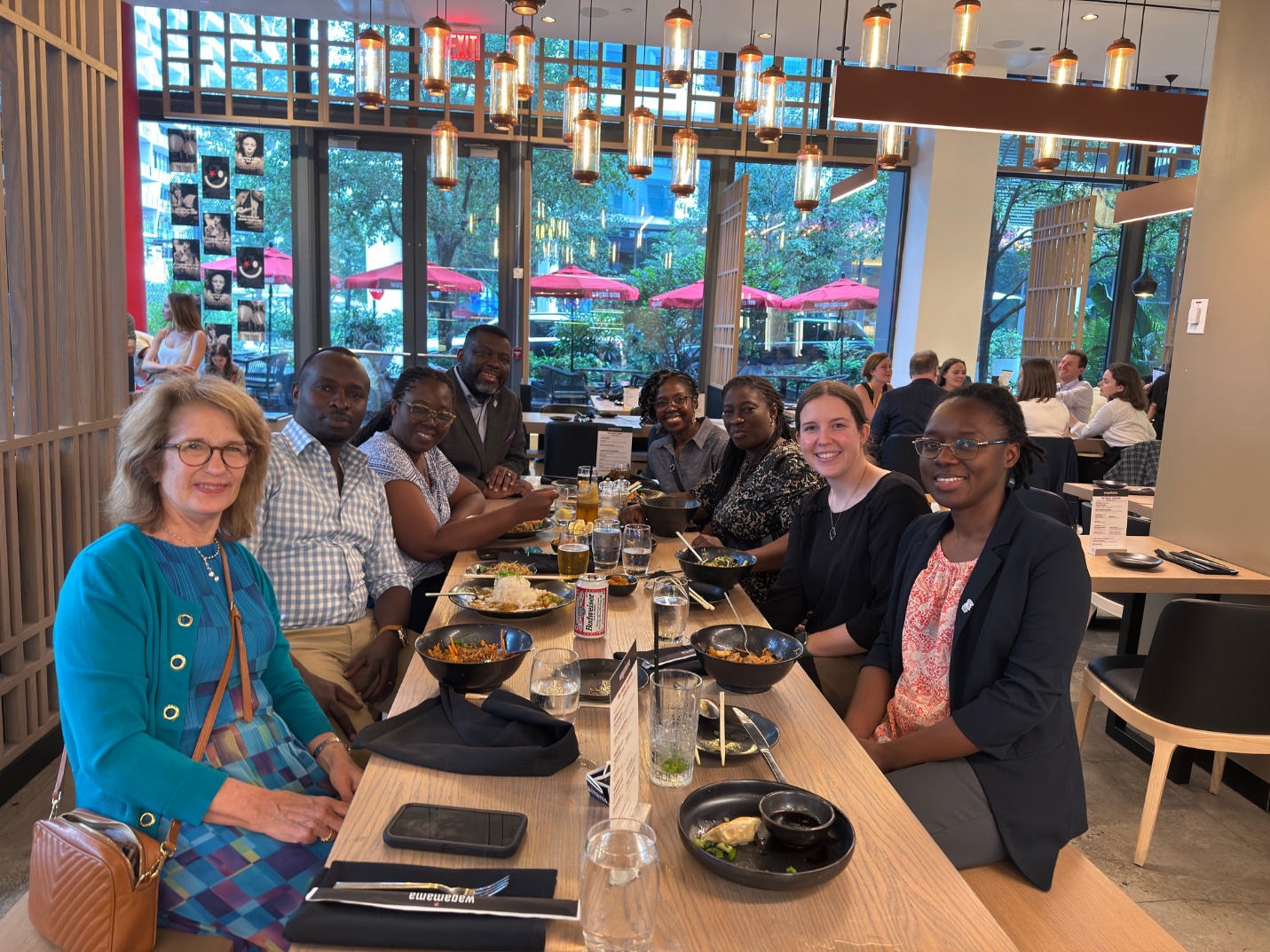
(Above: Dinner at ASCRS with GCSEI faculty & fellows from Ghana & Rwanda)
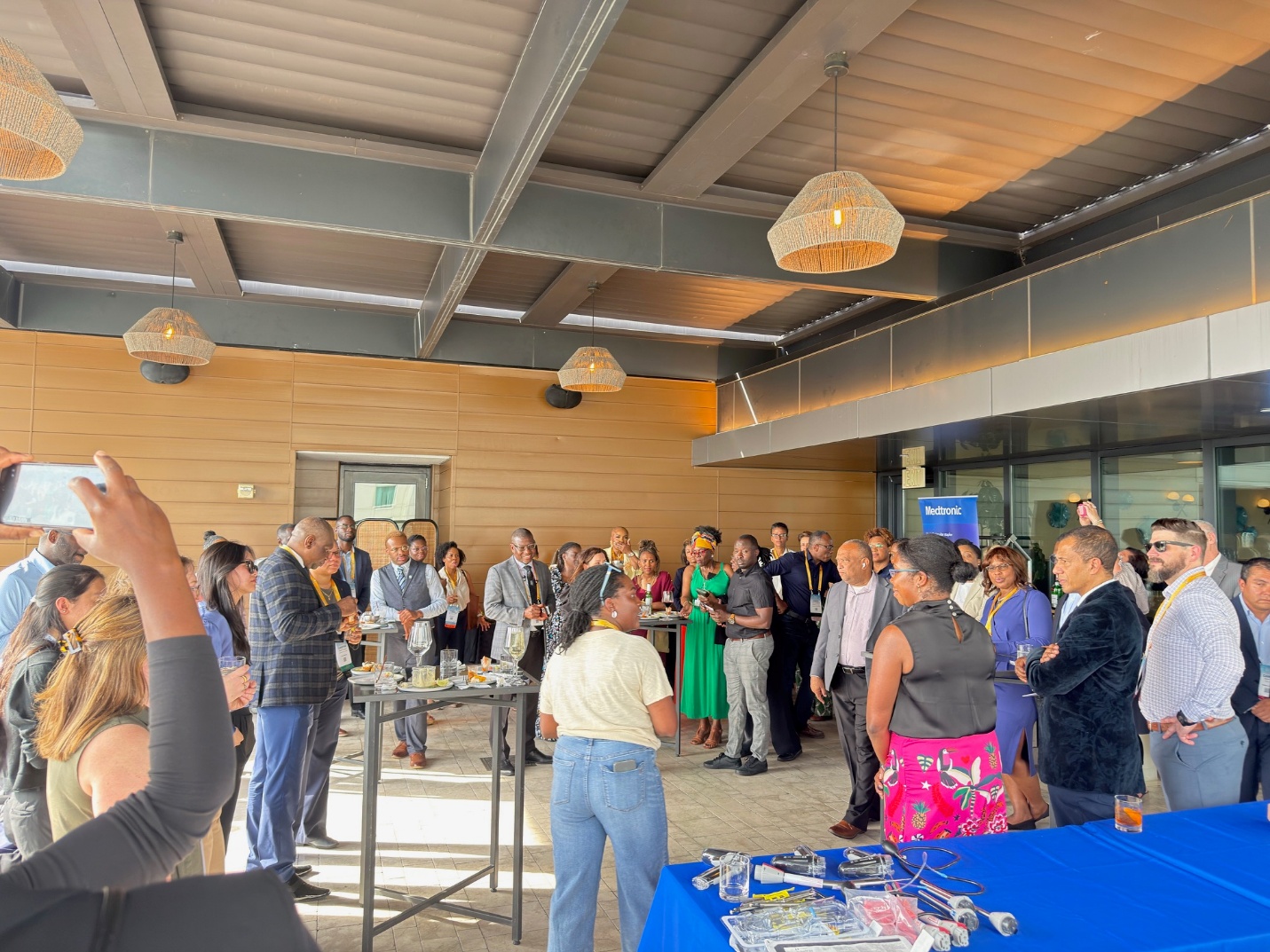
(Above: fellows attending SBCRS social event at ASCRS 2026)